


If you have ever come back from a South India trip feeling more tired than refreshed, you are not alone. Crowded viewpoints, heavy traffic on mountain roads, overpriced hotels, and the constant rush of tourists everywhere you go. It happens to almost everyone who visits the popular spots. But here is something worth knowing. South India is not just Ooty, Munnar, or the busy Alleppey backwaters. It is a much bigger and more beautiful region than that. Hidden inside its forests, along its quiet coastlines, and sitting on top of its lesser-known hills are places where you can actually breathe. Places where the beach in front of you is empty, the air smells of fresh rain and coffee, the roads are clear, and the only noise you hear in the evening is birdsong. These are the real hidden gems of South India and most tourists simply never find them.
In this guide, we have listed the best offbeat travel destinations across Kerala, Karnataka, Tamil Nadu, and Andhra Pradesh. Every place on this list is chosen for one simple reason. It gives you a travel experience that feels genuine and peaceful without the tourist crowd. Whether you are planning a family vacation, a quiet trip with your partner, or a solo getaway where you just want to slow down and enjoy nature, you will find the right destination here. Read through, pick the one that speaks to you, and start planning. The best South India trips are always the ones that go a little off the usual path.
Before we jump into the list, it is worth understanding why so many travelers are now shifting from popular spots to offbeat destinations. For one, the overcrowding at famous places has become a serious problem. During peak season, a place like Ooty or Kodaikanal sees thousands of vehicles on narrow mountain roads. The experience becomes stressful instead of relaxing.
Second, social media has made people curious about lesser-known destinations. Travelers want unique photos, unique stories, and unique experiences. A visit to a quiet cliff-top village in Andhra Pradesh or a coffee estate trail in Coorg’s interiors gives you all of that.
Third, offbeat travel is often much more affordable. You spend less on accommodation, food is cheaper and more authentic, and the overall experience feels far more personal. South India’s hidden gems offer all of this and more. Let us explore them one by one.
Araku Valley, Andhra Pradesh – The Tribal Hill Station No One Talks About Enough

Araku Valley is one of the most underrated hill stations in all of India. Located in the Eastern Ghats of Andhra Pradesh at around 1000 meters above sea level, this tribal highland is a world of its own.
The journey itself is unforgettable. The Kirandul passenger train from Visakhapatnam to Araku is one of the most scenic train routes in India, passing through 58 tunnels and crossing 84 bridges through dense forest.
Once you arrive, you will find coffee plantations, waterfalls, tribal villages, and the famous Borra Caves nearby. The Padmapuram Botanical Gardens is a beautiful spot for families. The tribal market in the town area sells handmade crafts and fresh forest produce.
Araku is quiet, green, and genuinely different from the usual hill stations. Very few people outside Andhra Pradesh have been there, which makes it even more special.
Best time to visit: October to February
Who should go: Families, nature lovers, train enthusiasts
Do not miss: The Borra Caves, the scenic train ride, the tribal coffee experience
Recommended Read: Best Places to Explore in South India
Vagamon, Kerala – Rolling Meadows and Pine Forests Away from the Crowds

Most people visiting Kerala go straight to Munnar or Alleppey. But those who take a slight detour find Vagamon, and they almost never regret it.
Often called the Scotland of Asia, Vagamon sits between Kottayam and Idukki at around 1100 meters above sea level. It has everything Munnar has, such as misty mornings, rolling tea-covered hills, and cool weather, but without the traffic and tourist overload.
What makes Vagamon special is the landscape itself. Unlike the manicured tea gardens of Munnar, Vagamon has large open meadows, pine forests, and rocky plateaus that look almost surreal in the morning mist. The Kurisumala Ashram, Vagamon Lake, and Pine Forest are must-visit spots.
For adventure seekers, paragliding over Vagamon’s valleys is an experience that very few hill stations in India can match.
Best time to visit: September to May
Who should go: Couples, adventure travelers, photographers
Do not miss: Paragliding, pine forest walks, the Thangalpara viewpoint
Bekal, Kerala – A Fort, a Beach, and Total Silence

Bekal is in northern Kerala, very close to the Karnataka border, and it remains one of the most peaceful coastal destinations in the entire country.
The main attraction is Bekal Fort, a 300-year-old coastal fort that juts out into the Arabian Sea. The views from the top of the fort are genuinely stunning. You can see the entire coastline from one angle and green paddy fields from the other.
Right next to the fort is Bekal Beach, which is wide, clean, and usually almost empty. There is a calm water theme park nearby called Kappil Beach, and the Nityananda Ashram in Kanhangad is also worth a visit if you are looking for some quiet meditation time.
What makes Bekal different from Goa or Kovalam is that it has not been overdeveloped. There are no shacks, no loud music, and no crowd. Just the ocean, the fort, and silence.
Best time to visit: October to March
Who should go: Couples, history lovers, families seeking peaceful beaches
Do not miss: Bekal Fort at sunset, Kappil Beach, the Ananthapura Lake Temple nearby
Yelagiri Hills, Tamil Nadu – The Easiest Hill Escape from Chennai

If you are based in Chennai or Bengaluru and want a quick hill getaway without driving for eight hours, Yelagiri Hills is your answer.
Located just about 230 km from Chennai in the Vellore district, Yelagiri is a compact hill station at around 1100 meters elevation. It is not as dramatic as Ooty or as lush as Kodaikanal, but what it offers is something more rare: peace and accessibility.
The hills here are covered with orchards, rose gardens, and small trekking paths. Swamimalai Hill is the most popular trekking spot, offering panoramic views of the plains below. Punganoor Lake in the middle of the town is perfect for boating and quiet evenings.
Since Yelagiri has not been heavily promoted by travel agencies, it remains relatively uncrowded even during long weekends. The local cuisine here is simple and good, and accommodations are affordable.
Best time to visit: November to February
Who should go: Weekend travelers, families, trekkers
Do not miss: Swamimalai Hill trek, Jalagamparai Waterfall, Yelagiri Orchidarium
Gokarna, Karnataka – Beaches With Soul and Zero Chaos

Most people have heard of Goa, but not everyone knows about Gokarna. And that is exactly what makes it special.
Gokarna is a small temple town on the Karnataka coast, about 500 km from Bengaluru. It has some of the cleanest and most beautiful beaches in India, including Om Beach, Kudle Beach, Half Moon Beach, and Paradise Beach. The coastline here is dramatic, shaped by rocky cliffs and deep blue water.
What keeps Gokarna authentic is its combination of spirituality and natural beauty. The Mahabaleshwara Temple at the heart of the town is one of the most important Shiva temples in South India, drawing pilgrims from across the country.
Unlike North Goa, Gokarna does not have loud beach parties every night. You can actually sit on the beach and hear the waves. You can wake up early, walk the cliff trail from Om Beach to Kudle, and watch the sun rise over the sea in complete solitude.
For adventure travelers, the trek between beaches via the coastal cliffs is one of the most beautiful short treks in South India.
Best time to visit: October to March
Who should go: Solo travelers, couples, backpackers, spiritual seekers
Do not miss: Om Beach sunrise, cliff trail between beaches, the Mahabaleshwara Temple
Valparai, Tamil Nadu – The Quietest Tea Estate Town You Will Ever Visit

Valparai is not a place you stumble upon by accident. You have to want to go there. And that is what makes it one of the most rewarding hidden destinations in Tamil Nadu.
Located inside the Anamalai Tiger Reserve, Valparai is a small town surrounded by tea and coffee plantations at around 1000 meters elevation. The 40-hairpin-bend road from Pollachi is an adventure in itself.
But once you arrive, the experience is unlike anything else in South India. The town is tiny and quiet. The forests here are home to lion-tailed macaques, gaurs, elephants, and if you are lucky, leopards. Wildlife sightings on the road through the reserve are common.
There are very few tourists here compared to Ooty or Kodaikanal. The tea estates go on forever, the air smells of wet soil and fresh leaves, and the silence in the evenings is the kind that city people travel thousands of kilometers to find.
Best time to visit: October to April
Who should go: Wildlife lovers, nature photographers, couples wanting complete quiet
Do not miss: Sholayar Dam viewpoint, wildlife spotting at sunrise, Upper Sholay Estate walk
Chikmagalur, Karnataka – Beyond the Main Town, Into the Real Coffee Country

Chikmagalur has started getting popular in recent years, but most tourists only visit the main town and the standard viewpoints. The real magic of Chikmagalur lies deeper inside, in the estates around Mudigere, Aldur, and Sringeri.
This is the birthplace of coffee in India, and when you walk through a private coffee estate in the early morning mist, with the smell of ripe coffee berries in the air and birds calling from the canopy above, you understand why people fall in love with this place.
The region also has serious trekking potential. Mullayanagiri, the highest peak in Karnataka at 1930 meters, is a rewarding climb with stunning views. Bababudangiri, Hebbe Falls, and Kemmangundi are other nearby spots worth your time.
The key to a good Chikmagalur experience is to stay at a homestay or estate-stay rather than a hotel in town. When you wake up inside a coffee estate, with valley mist rolling through your window, no five-star hotel in Bengaluru can compete with that.
Best time to visit: September to February
Who should go: Coffee lovers, trekkers, nature enthusiasts
Do not miss: Mullayanagiri trek, Hebbe Falls, a coffee plantation walk at dawn
Varkala, Kerala – The Cliff-Top Beach That Feels Like a Different World

Varkala is one of those places that people who have been there find very hard to explain to people who have not. It is a beach destination, yes. But it is unlike any other beach destination in India.
The defining feature of Varkala is the dramatic red laterite cliff that runs along the coastline. Restaurants, shops, and cafes line the top of this cliff, with staircases leading down to the beach below. The views from the cliff are extraordinary, especially at sunset when the sky turns orange and the waves catch the last light.
The beach at the base of the cliff is clean and calm, with natural mineral springs that locals believe have medicinal properties. The town also has the ancient Janardhana Swami Temple, one of the most visited temples on the Kerala coast.
Varkala attracts a mix of Indian and international travelers, but it has managed to retain a laid-back, unhurried character that places like Kovalam have lost to overtourism.
Best time to visit: November to March
Who should go: Couples, solo travelers, beach lovers
Do not miss: Cliff walk at sunset, natural mineral spring at the beach, Janardhana Temple
Horsley Hills, Andhra Pradesh – Andhra’s Best-Kept Hill Station Secret

Horsley Hills is located in the Chittoor district of Andhra Pradesh, about 150 km from Tirupati. Named after W. D. Horsley, a British collector who fell in love with these hills, this is one of the most underrated hill stations in all of South India.
At around 1250 meters above sea level, the hills are covered with dense forest, and the air is noticeably cooler than the plains below. The main eucalyptus tree here, known as the Horsley Tree or Gali Tree, is said to be over 150 years old.
There is a small zoo, a deer park, and a beautiful garden maintained by the Andhra Pradesh Tourism Development Corporation. The viewpoints here offer sweeping views of the surrounding valleys and the plains that stretch toward Tamil Nadu.
Very few people outside Andhra Pradesh know about Horsley Hills. It is the kind of place where you can sit on a hilltop with a cup of tea and not see another tourist for an hour. That kind of experience is increasingly rare.
Best time to visit: September to February
Who should go: Families, nature lovers, weekend travelers from Bengaluru or Chennai
Do not miss: The Horsley Tree, Mallamma Temple, valley viewpoints
Dandeli, Karnataka – South India’s Best Kept Adventure Secret

Most adventure seekers in India go to Rishikesh in the north for white-water rafting. But very few know that Dandeli in Karnataka offers a comparable and in many ways more intimate adventure experience.
Located in the Uttara Kannada district of Karnataka, Dandeli sits on the banks of the Kali River inside a dense wildlife sanctuary. The primary draw is white-water rafting through forested gorges, but that is just the beginning.
Dandeli is also home to leopards, wild dogs, sloth bears, hornbills, and over 300 species of birds, making it one of the best wildlife and birdwatching destinations in Karnataka. Jungle treks, kayaking, night safaris, and rope activities make it a full adventure package.
The best part is that Dandeli still feels raw and unpolished in the way only truly offbeat destinations do. There are no theme parks, no crowded food streets, and no fake jungle experiences. It is just the forest, the river, and the wildlife.
Best time to visit: October to May
Who should go: Adventure travelers, families, wildlife enthusiasts, birdwatchers
Do not miss: Kali River rafting, jungle night safari, Syntheri Rocks
South India does not have one single travel season. Different regions experience weather differently, and knowing the right time to go can make or break your trip. Here is a season-by-season breakdown:
October to February: The Best Overall Window
This is the peak travel season across South India for good reason. The monsoon has passed, the landscape is fresh and green, temperatures are comfortable, and skies are mostly clear. For hill stations like Vagamon, Yelagiri, Valparai, and Chikmagalur, this is when the views are at their clearest and the weather is at its most pleasant. For coastal destinations like Bekal, Gokarna, and Varkala, the sea is calm and perfect for swimming and beach walks. This is the window we recommend for first-time visitors to any of these offbeat destinations.
June to September: The Monsoon Magic Season
The monsoon transforms South India’s landscape completely. The forests turn deep green, rivers run full, and waterfalls roar to life. Destinations like Dandeli, Chikmagalur, Coorg’s interior forests, and the Kerala highlands are absolutely stunning during this season. The mist sits low over the hills all day, and the coffee estates smell incredible after the rain.
However, there are practical things to be aware of. Some mountain roads can become slippery or temporarily blocked. A few adventure activities like white-water rafting, may not run at full capacity on certain days. Leeches are common on forest trails, so proper footwear is necessary. That said, if you are comfortable with rain and want a truly immersive nature experience, the monsoon is a spectacular time to visit South India’s interior destinations.
March to May: The Summer Season
Summer is generally the least ideal time for hill stations in South India, as temperatures at mid-elevation can climb higher than expected. However, coastal destinations like Bekal, Gokarna, and the Pondicherry outskirts can still be enjoyable if you plan your activities for early mornings and evenings and avoid the midday heat. March in particular can be a lovely month for coastal travel before the heat really sets in. Dandeli and Araku Valley are also reasonably pleasant in March before summer peaks.
Visiting a hidden gem is a bit different from booking a standard package tour. Here are six practical planning tips that will make your offbeat South India trip smooth and truly rewarding.
Tip 1: Book Local Homestays Directly
For most of the offbeat places on this list, the best accommodations are small family-run homestays and boutique forest stays that do not always appear on big booking platforms. Do a direct Google search for “homestay in Valparai” or “estate stay Chikmagalur” and look at Google Maps reviews. Calling directly often gets you a better price, a home-cooked meal included, and a host who can guide you to spots that no travel agent knows about.
Tip 2: Hire a Local Driver or Private Cab
Most of these destinations are not well served by public transport. A private car gives you the freedom to stop at viewpoints whenever you want, explore local villages off the main road, and adjust your plans on the go without waiting for buses. Local drivers who know the routes are invaluable. They will take you to unmarked viewpoints, suggest the best roadside dhabas, and warn you about road conditions. If you are not comfortable driving on narrow mountain roads, this is especially important.
Tip 3: Travel Mid-Week When Possible
Even offbeat places can get a weekend rush from nearby cities, particularly on Saturdays and Sundays. Traveling from Monday to Thursday almost always means emptier roads, more available rooms, and a more relaxed experience. Many homestays also offer slightly lower rates on weekdays.
Tip 4: Go Prepared for Connectivity Gaps
Several of these destinations have limited mobile network coverage, particularly in deeper forest areas like Dandeli, Valparai, and Kumara Parvatha base camps. Download offline maps on Google Maps or Maps.me before you leave the city. Save your hotel’s phone number and address in an offline note. Carry some cash because ATMs can be sparse in small towns.
Tip 5: Respect the Local Environment
These places are beautiful and peaceful precisely because very few tourists visit them. It is our responsibility to keep them that way. Do not litter, do not pluck flowers or disturb wildlife, use reusable water bottles wherever possible, and support local shops and restaurants instead of bringing everything from the city. The smaller the footprint you leave, the longer these destinations stay hidden and pristine.
Tip 6: Advance Booking for October to January
Even though these are offbeat places, the good homestays and eco-resorts fill up quickly during the peak winter travel season. Book your accommodation at least two to three weeks in advance if you are traveling between October and January, and even earlier if you are visiting during long weekends or national holidays. The best places get booked out fast.

This is something that surprises many first-time South India travelers, particularly those who have only visited the north. South India is not just a different region. It is practically a different world.
The Culture and People
South Indian culture has deep roots in the Dravidian tradition, which predates the arrival of Indo-Aryan influences in India. The languages here, Tamil, Telugu, Kannada, and Malayalam, are some of the oldest living languages in the world. The people are known for their warmth, their strong sense of community, and their deep connection to tradition.
In most of the offbeat destinations on this list, you will find towns and villages where daily life has changed very little over generations. Farmers still follow seasonal rhythms. Local festivals are celebrated with genuine community spirit rather than tourist performance. If you take the time to sit in a local tea shop, you will often have conversations that stay with you long after the trip is over.
The Temples
South India’s temple architecture is among the most extraordinary in the world. The giant gopurams, which are the towering entrance gateways covered in painted sculptures, of Tamil Nadu’s great temples are unlike anything in the north. Karnataka has some of the finest examples of Hoysala architecture, with intricate carvings that look almost impossible to have been made by human hands. Kerala’s temples have a completely different style, more restrained and forest-like in their setting.
What makes temple visits in offbeat South India particularly special is that these are not tourist showpieces. They are living centers of faith. Daily rituals like the morning abhishekam and the evening aarti have continued without interruption for centuries. When you witness these rituals in a small village temple where you are the only outsider present, it is a genuinely moving experience.
The Food
South Indian food is one of the great cuisines of the world, and it varies enormously from state to state and even district to district. Tamil Nadu’s Chettinad food is bold, spicy, and complex. Kerala’s coastal cuisine is built around coconut, seafood, and rice. Karnataka has a completely different kitchen tradition that includes the famous Udupi vegetarian food as well as the rich non-vegetarian dishes of Coorg and Mangalore.
At offbeat destinations, the food is almost always cooked fresh from local ingredients. In Araku Valley, you will eat tribal food prepared from millet and local vegetables. In Chikmagalur’s estates, you will have breakfast with freshly brewed estate coffee that tastes nothing like anything from a cafe chain. In Gokarna, the local fish curry served at small beach shacks uses whatever was caught that morning. This kind of food cannot be replicated anywhere else.
Not every offbeat destination suits every type of traveler. Here is a category-wise guide to help families pick the right destination.
Best for Families With Young Children (Ages 4 to 12)
Araku Valley, Andhra Pradesh, is ideal for families with young children. The scenic train journey is an adventure in itself that children absolutely love. The Padmapuram Botanical Gardens has wide open lawns and a small water park. The terrain is gentle and the town is safe and walkable.
Bekal, Kerala, works beautifully for families with children. Bekal Beach is calm and safe, with no strong currents. The fort is fascinating for curious young minds. The surrounding area has a relaxed pace that is perfect for families who want a stress-free holiday without rushing.
Yelagiri Hills, Tamil Nadu, is another excellent family choice. The boating at Punganoor Lake is fun for children, the Orchidarium is visually beautiful, and the terrain is not too challenging. The town is small and safe, and accommodation options are very family-friendly.
Best for Families With Teenagers (Ages 13 to 19)
Dandeli, Karnataka, is a teenager’s dream destination. White-water rafting on the Kali River, jungle night safaris, kayaking, and rope activities give teenagers a genuine adrenaline experience in a safe, supervised environment. The forest setting also makes it feel adventurous and different.
Gokarna, Karnataka, appeals strongly to teenagers because of the beach trekking between coves, water sports like surfing and snorkeling, and the relaxed beach cafe culture. It has enough variety to keep teenagers engaged for three to four days easily.
Chikmagalur, Karnataka, works well for active families with teenagers who enjoy trekking. The Mullayanagiri trek is challenging enough to feel like a real achievement, and the coffee estate walks and Hebbe Falls are beautiful rewards for the effort.
Best for Families With Senior Travelers (Ages 60 and Above)
Varkala, Kerala, is a wonderful destination for senior travelers. The cliff walk is gentle and the views are stunning. The mineral springs beach is calm and therapeutic. The town has good medical facilities by offbeat destination standards, and the spiritual atmosphere at the Janardhana Temple is deeply peaceful.
Vagamon, Kerala, is ideal for seniors who want cool weather, beautiful scenery, and a completely relaxed pace. The meadows are easy to walk through, the homestays are comfortable, and there is no pressure to do anything other than sit and enjoy the landscape.
Pondicherry Outskirts is excellent for seniors because the terrain is flat, the roads are good, cycling through Auroville is easy and enjoyable, and the food and accommodation options are of a high quality. The French Quarter itself, while touristy, is beautiful and walkable.
The places in this guide will not stay this quiet forever. Travel trends move fast. Social media spreads quickly. And what is a peaceful offbeat destination today can become a crowded tourist spot in just a few years. We have already seen this happen with places like Coorg’s main town, Pondicherry’s French Quarter, and parts of Goa that were once quiet fishing villages.
But right now, in 2026 and 2027, all of these hidden gems are genuinely still peaceful. The beaches are clean and uncrowded. The forest trails are quiet in the early morning. The hill station homestays are run by families who are genuinely happy to see you and share their local knowledge. The roadside dhabas serve food cooked from scratch with ingredients grown nearby. The temples hold their daily rituals without any tourist performance attached.
This is real travel. Not the kind that gives you a photo for social media, but the kind that gives you a memory for life.
Whether you are a family searching for a stress-free vacation where everyone can actually relax, a couple looking for something more meaningful than a resort weekend, a solo traveler chasing quiet sunrises and honest conversations with local people, or an adventure seeker who wants real wilderness rather than a staged experience, South India’s hidden gems have exactly what you are looking for.
The only thing you need to do is make the decision to go.
Plan a little differently this time. Skip the obvious. Take the road that is a little less marked on the tourist map. Stop at the tea shop that has no TripAdvisor reviews. Sleep at the homestay run by a family whose grandmother still cooks the meals.
That is where you will find the real South India. And once you find it, you will wonder why it took you so long.
At Gurukshethra Holidays, we specialize in creating custom South India travel experiences that go well beyond the standard tourist trail. Our team has personally explored every destination on this list. We know the best homestays, the most honest local drivers, the unmarked viewpoints, and the seasonal windows that make each trip truly special.
We do not sell cookie-cutter packages. We listen to what kind of trip you want, understand your budget and travel style, and build an itinerary that fits your family perfectly.
Whether you want a peaceful 5-day Kerala offbeat retreat, a thrilling Karnataka adventure circuit, a cultural Tamil Nadu and Andhra heritage journey, or a complete South India expedition across multiple states, we are here to make it happen.
Get in touch with us today. Tell us where you want to go, who you are traveling with, and what kind of experience you are looking for. We will take care of everything else.
Your perfect South India hidden gem trip is just one conversation away.
Q1. Which is the most peaceful hidden gem in South India for a couple?
Vagamon in Kerala is one of the most romantic and peaceful destinations in South India. The rolling meadows, pine forests, cool weather, and very limited tourist presence make every moment feel private and special. Varkala is another outstanding option with its dramatic cliff setting and calm beach evenings.
Q2. What is the best hidden hill station in South India?
Valparai in Tamil Nadu and Araku Valley in Andhra Pradesh are both exceptional choices. Valparai gives you wildlife, silence, and tea estate magic inside a tiger reserve. Araku Valley adds the unforgettable experience of one of India’s most scenic train journeys through 58 tunnels in the Eastern Ghats.
Q3. Are there genuinely uncrowded beaches in South India?
Yes, absolutely. Bekal Beach in Kerala is one of the cleanest and most uncrowded beaches in India. Half Moon Beach and Paradise Beach in Gokarna, Karnataka, require a short trek to reach and are almost always quiet. The stretch of coastline south of Pondicherry near Chunnambar is also largely crowd-free.
Q4. Which hidden places in South India are best for wildlife experiences?
Dandeli in Karnataka is outstanding for wildlife, with leopards, giant squirrels, hornbills, and over 300 bird species. Valparai in Tamil Nadu is excellent for spotting lion-tailed macaques, Indian gaurs, and elephants right from the roadside. Kumara Parvatha and its surrounding Pushpagiri Wildlife Sanctuary in Karnataka is also a rich corridor for rare species.
Q5. What are the best offbeat trekking spots in South India?
Kumara Parvatha near Kukke Subramanya in Karnataka is the most rewarding serious trek in South India. For moderate trekkers, Mullayanagiri in Chikmagalur, Swamimalai Hill in Yelagiri, and the coastal cliff walk between Gokarna beaches are all excellent options. Each offers something completely different in terms of landscape.
Q6. Which destination is best to visit during the monsoon season?
Chikmagalur and Coorg’s interior forests are at their most spectacular during the monsoon from June to September. The coffee estates glow green, waterfalls are at full force, and the mist creates an almost dreamlike atmosphere. Dandeli is also beautiful in the monsoon, though some adventure activities may have limited availability on heavy rain days.
Q7. How far are these hidden places from major South Indian cities?
Most are within a comfortable 3 to 6 hour drive. Yelagiri is about 230 km from Chennai. Dandeli is around 460 km from Bengaluru. Vagamon is approximately 120 km from Kochi. Bekal is about 170 km from Mangalore. Araku Valley is connected directly by a scenic train from Visakhapatnam, about 115 km away.
Q8. Are these offbeat places safe for solo women travelers?
Yes, broadly speaking. Destinations like Varkala, Pondicherry outskirts, Vagamon, and Gokarna are well regarded by solo women travelers from across India and internationally. As with any travel, it is sensible to inform your accommodation about your plans, use recommended local transport services, and keep a local contact saved on your phone. South India as a region is genuinely welcoming and known for its respectful culture toward all travelers.
Q9. What is the budget for visiting hidden gem places in South India?
These offbeat destinations are much more affordable than popular tourist spots. A mid-budget traveler can comfortably manage with Rs 1,500 to Rs 2,500 per day, which covers a decent homestay, three local meals, and basic transport. If you choose a premium forest resort or luxury estate stay, costs can go up to Rs 5,000 to Rs 8,000 per day, but even that is significantly cheaper than equivalent experiences at famous hill stations. Overall, offbeat travel in South India gives you much better value for money.
Q10. Can I combine multiple hidden gems into one South India trip?
Absolutely yes, and this is actually the best way to experience these places. A well-planned 10 to 14 day itinerary can comfortably combine three to four of these destinations. Good cluster options include:
Each cluster keeps driving distances manageable while giving you a rich variety of landscapes, from coast to hills to forest.
Q11. What kind of accommodation is available at these offbeat places?
Most of these destinations have excellent family-run homestays, boutique guesthouses, and in some cases thoughtfully designed eco-resorts and forest stays. Big hotel chains are largely absent, which works in your favor. A local homestay almost always means home-cooked meals prepared fresh every day, a host who treats you like a guest rather than a customer, and genuine local knowledge about the best places to visit nearby. Some destinations like Dandeli and Chikmagalur also have well-run luxury forest resorts for travelers who want comfort without sacrificing the offbeat experience.
Q12. Is it better to take a package tour or plan independently for these hidden gems?
For truly offbeat destinations, a customized private tour planned by a travel specialist is usually better than a standard group package. Group packages to offbeat places are rare anyway, and when they do exist, they often rush through locations without giving you time to actually absorb the experience. A private customized itinerary allows you to stay longer at places you love, skip what does not interest you, and travel at your own pace. If you are new to South India travel or visiting multiple states in one trip, working with a local travel specialist saves you significant planning time and helps you avoid common mistakes.
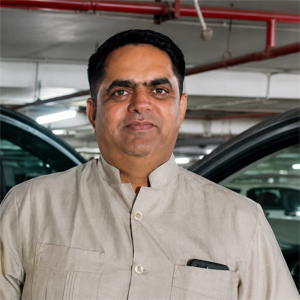
About the Author
South India Offbeat Travel Specialist at Private Driver in India
Sunil Singh helps travelers discover South India’s hidden gems beyond the usual Ooty,
Munnar and Alleppey circuits. Over the past decade he has personally explored offbeat
destinations like Araku Valley, Vagamon, Valparai, Dandeli, Bekal and Gokarna, designing
custom road‑trip itineraries that stay quiet, authentic and crowd‑free.