


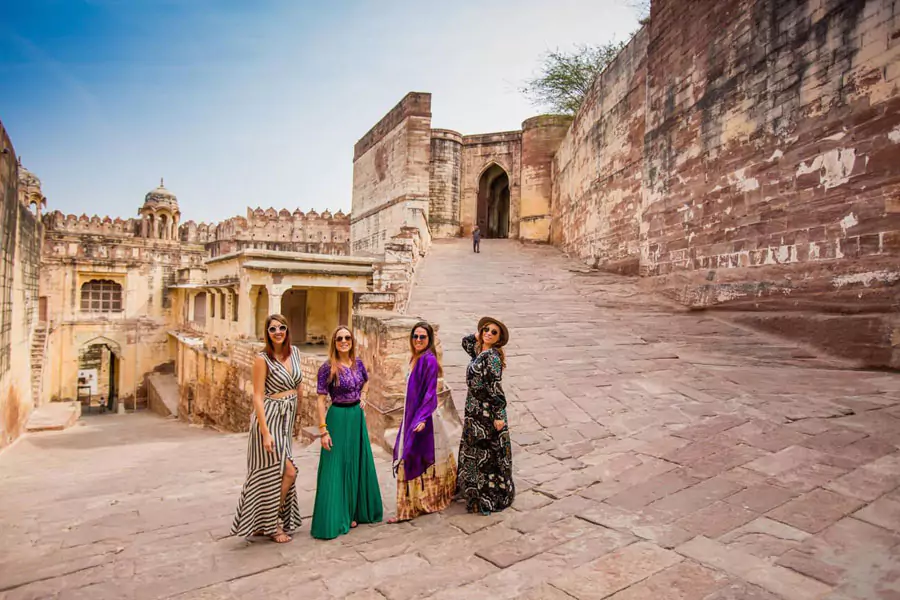
Jodhpur is more than a “blue Instagram city”. It is a real Rajasthani town where a mighty fort, busy markets, stepwells, lakes and the edge of the Thar Desert all sit close together. If you have 2–4 days, you can fit in royal history, village life, desert sunsets and some very good food.
This guide keeps things simple: short descriptions, realistic timings and local‑style tips so you can actually plan your days – not just read pretty adjectives.
Jodhpur is well connected and easy to include in a Rajasthan and North India trip.
Within the city, you can use auto‑rickshaws, cabs and your feet. For the old town, walking plus short auto rides work best; for Mehrangarh, Umaid Bhawan, Mandore, Kaylana Lake or Osian, a car is more practical.
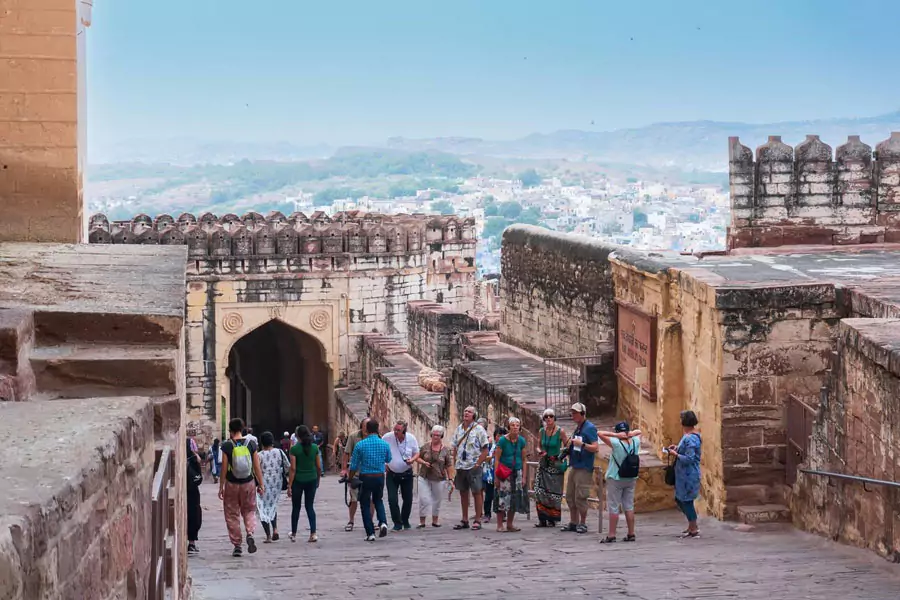
If you only have time for one place, make it Mehrangarh Fort. The fort stands on a 400‑foot hill and dominates the city; from the top you see the famous blue houses spreading out below.
Inside you find old palaces, courtyards and a very good museum with royal cradles, palanquins, weapons, textiles and paintings. Plan at least 2–3 hours if you like to explore slowly and take photos.
Local tip: Don’t rush straight to the top. Walk one of the old gateways, look at cannon marks and stop at 1–2 balconies for city views – it feels much more real than only using the lift.
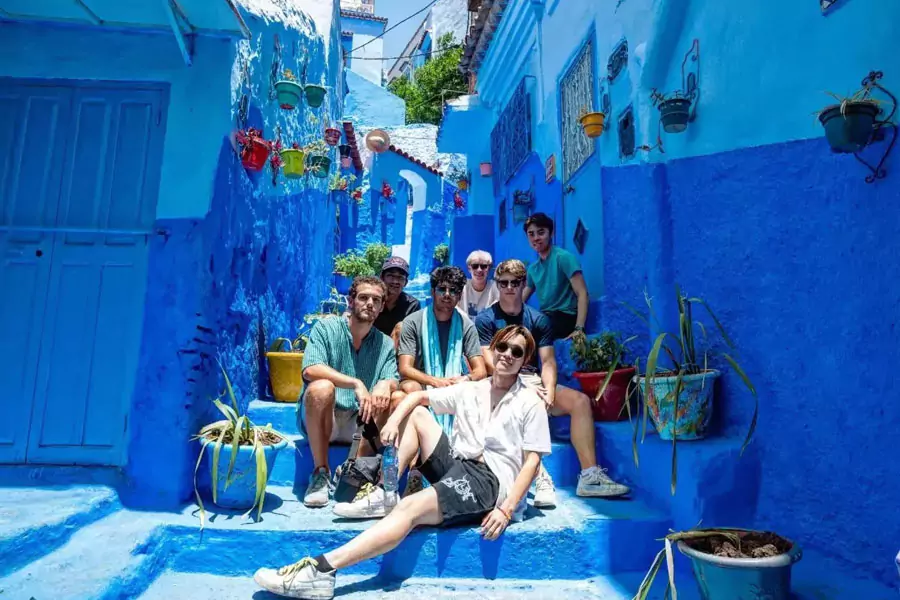
The tight lanes under the fort, with houses painted in many shades of blue, are the part of Jodhpur most people imagine. Mornings and late afternoons are best: children walking to school, milkmen, small temples opening, and locals starting their day.
Skip the urge to “tick off” every lane. Pick one general area, walk slowly, and let yourself get a little lost. You will find painted doorways, small shrines, and several natural viewpoints towards the fort.
Local tip: If you’re staying near the Clock Tower or Toorji ka Jhalra, start your walk from your haveli and head upwards; you will naturally find good fort views without needing a fixed route or paid “hidden spots” tour.
Discover Mehrangarh Fort, Blue City lanes, Umaid Bhawan Palace, Bishnoi villages & Thar Desert sunsets comfortably. Book your AC car with an English-speaking driver for 1-4 day Jodhpur tours, day trips to Osian or multi-city Rajasthan itineraries.
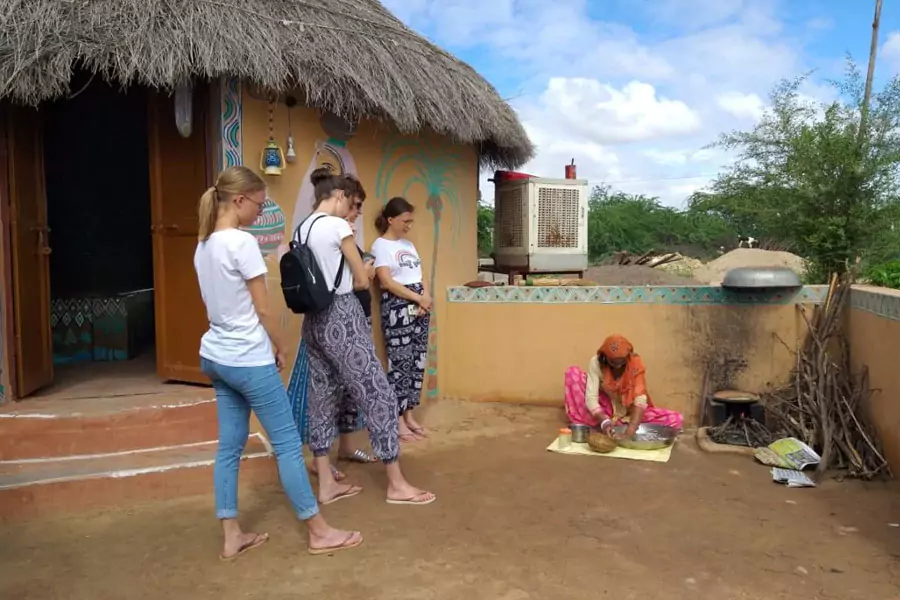
For a look at rural Marwar life, a Bishnoi village tour is a useful half‑day trip. You can see traditional mud houses, potters at work, weavers, and sometimes local wildlife like antelopes.
Local tip: When you book, ask clearly what you will visit (pottery, weaving, wildlife, village homes) and how long you will spend at each stop. Avoid tours that push shopping more than experience.
Need Read: Unique Things To Do In Jaisalmer
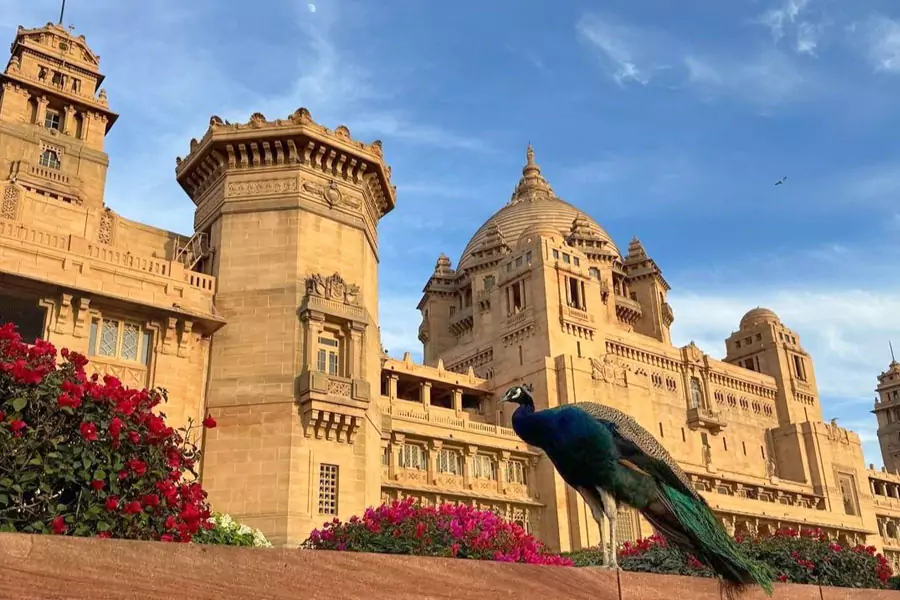
Umaid Bhawan is still partly a royal residence and partly a luxury hotel, with a small but interesting museum open to visitors. The building style is very different from the fort – more clean lines and Art Deco influence.
The museum shows old photographs, royal items and classic cars; the lawns and facade are great for photos.
Local tip: If your flight is from Jodhpur, you can visit Umaid Bhawan on your way to or from the airport – it sits roughly in that direction and saves an extra trip.
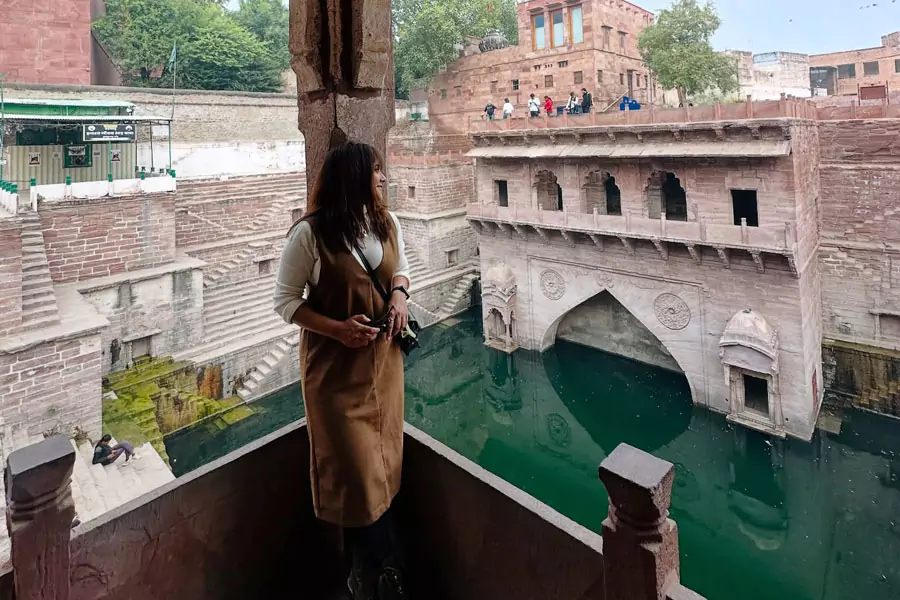
This restored stepwell in the old town is one of the easiest places to feel Jodhpur’s mix of old and new. Locals sit on the steps, kids may jump into the water in hotter months, and travellers watch from the surrounding cafés.
Local tip: The streets around Toorji ka Jhalra are excellent for staying – many havelis and guesthouses have rooftops with fort views and you can walk to the Clock Tower, markets and stepwell.
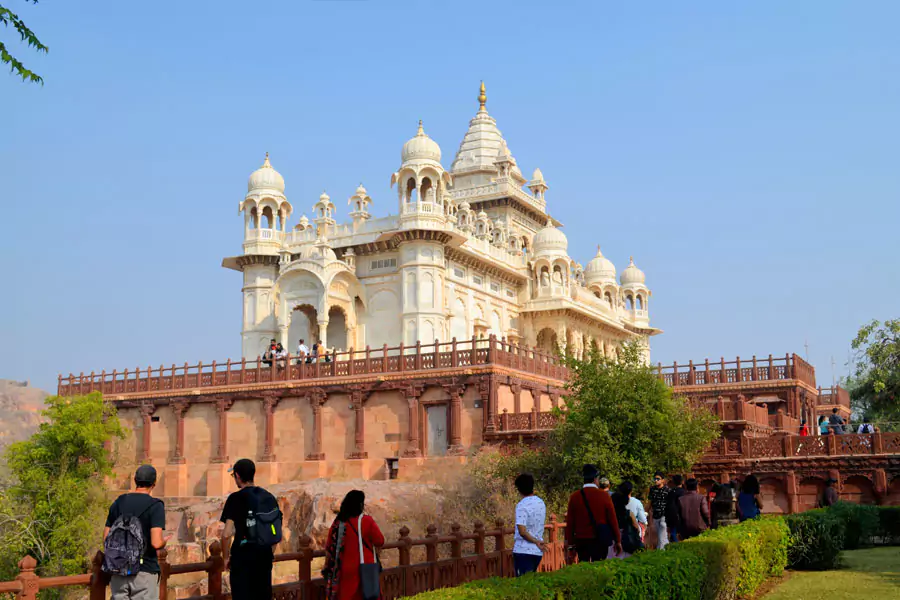
Just a short drive from Mehrangarh, Jaswant Thada is a white marble memorial with carved screens, quiet gardens and a calm feel. It’s much smaller and less crowded than the fort.
Local tip: Take a short break here between the fort and the rest of your day; sitting quietly by the lake with the fort above you is a nice contrast to the busy museum halls.
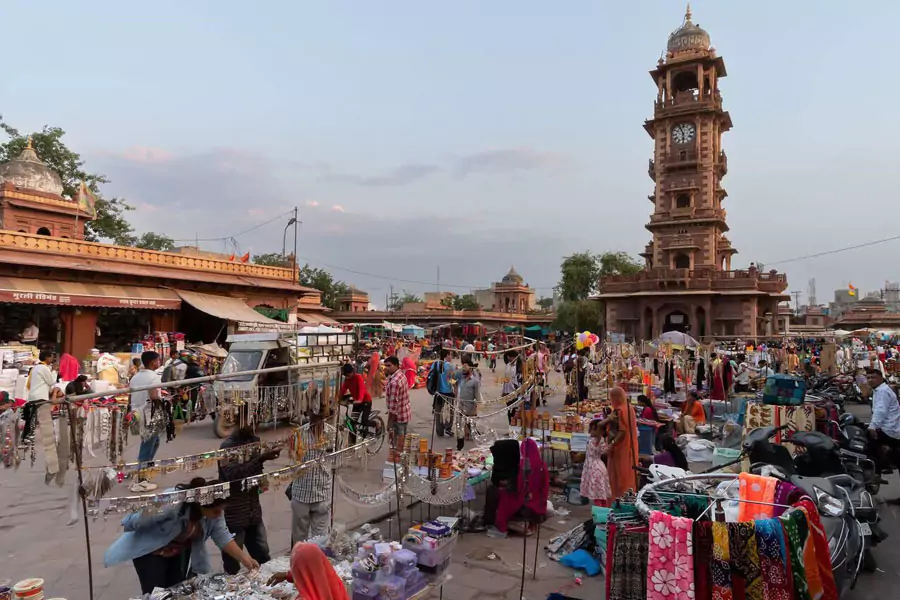
The Clock Tower (Ghanta Ghar) and the surrounding Sardar Market are the centre of old Jodhpur’s daily life. You’ll find spices, small handicrafts, brass items, bangles, clothes and more.
Local tip: Don’t shop at the first “tourist” shop you see on the main circle. Step into one of the side lanes and check 2–3 small shops; prices and conversations are often better there.
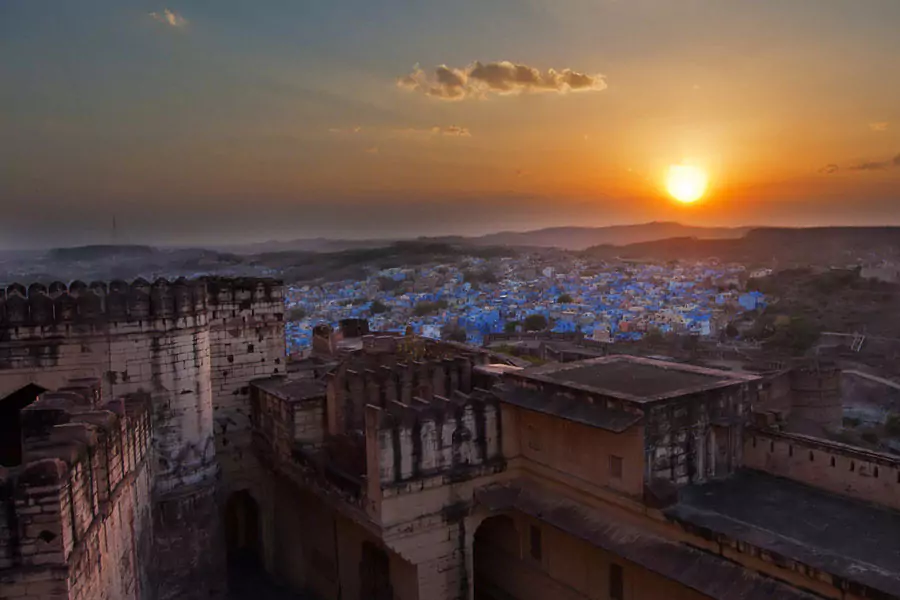
Watching Mehrangarh light up from a rooftop is one of the simple pleasures of Jodhpur. Many havelis and restaurants in the old city offer direct views of the fort.
Local tip: Instead of only chasing the most famous names, ask your hotel which nearby rooftop has a clear fort view and quieter atmosphere. Often the less‑known ones feel more relaxed and give the same or better view.
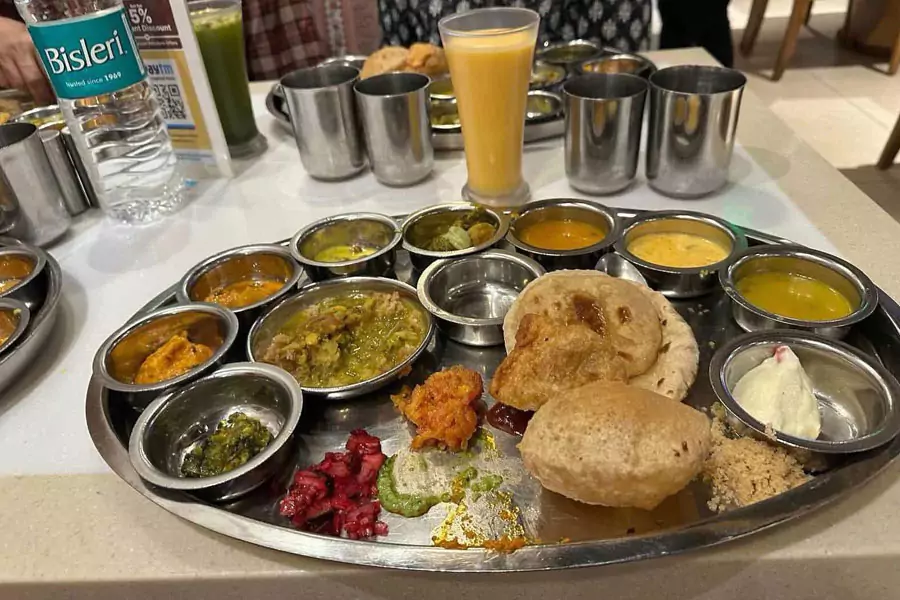
Jodhpur is a very good city for simple, tasty Rajasthani and Marwari food.
Basic rules: Choose busy places (fast turnover = fresher food), eat what you see being cooked fresh and stick to bottled/filtered water.
Local tip: Spread your food experiments out – one heavy snack + one lassi in a day is usually enough. Over‑doing it on day one is the quickest way to lose day two.
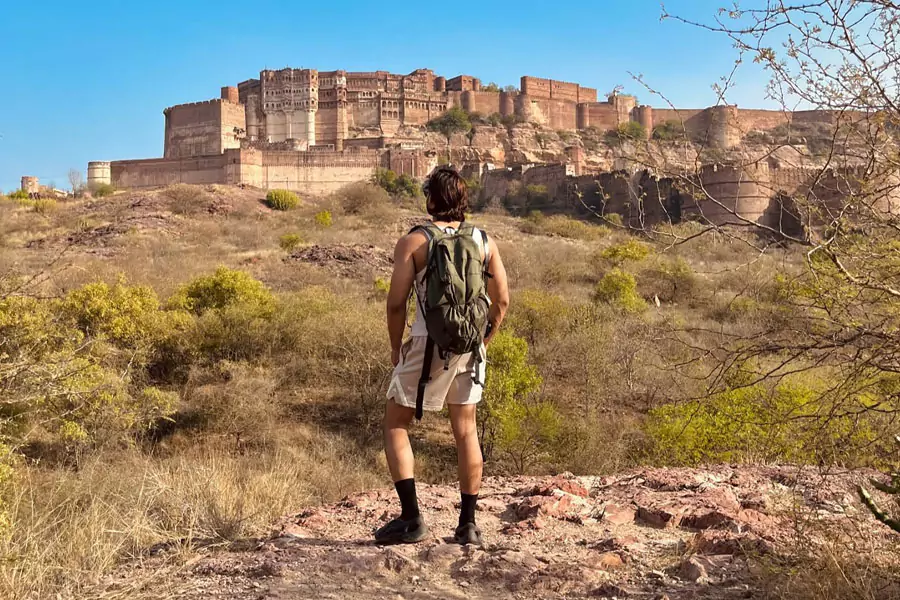
Just below Mehrangarh, this rock park is a good break from traffic and noise. It was created to restore local desert ecology and has walking paths, native plants and views up to the fort walls.
Local tip: Do the fort museum first, then come down into the rock park for a slower walk. It feels like a complete half‑day in one compact area without extra driving.
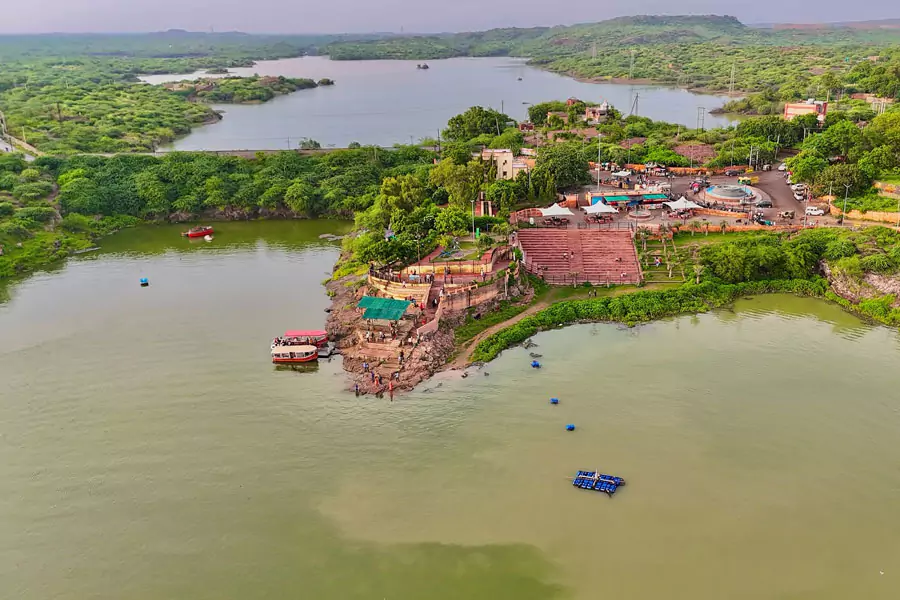
Kaylana Lake sits about 8 km from the city centre and is popular with local families, especially at sunset. You can sit by the water, take a short boat ride (seasonal) and watch the sky change colour.
Local tip: Combine Kaylana with another outing (for example, on your way back from a longer drive) instead of making it the only activity of the day unless you really want a very slow, simple evening.
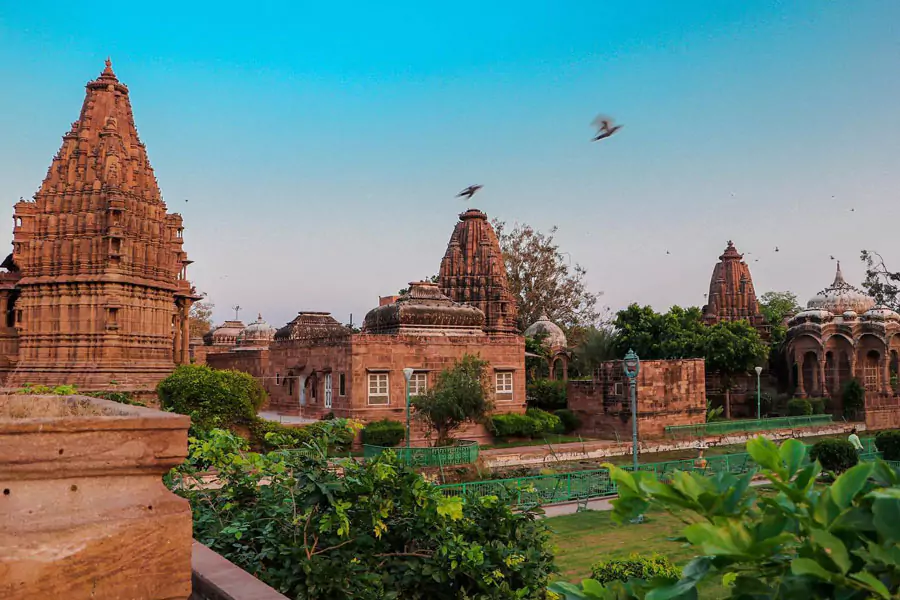
Mandore, about 9 km from Jodhpur, was once the capital of the Marwar region. Today you’ll find gardens, old cenotaphs of the rulers and a “Hall of Heroes” with large carved figures from local legends.
Local tip: Weekdays are quieter than weekends, when many local families come for picnics. If you enjoy photographing people and local life, weekends can actually be interesting.
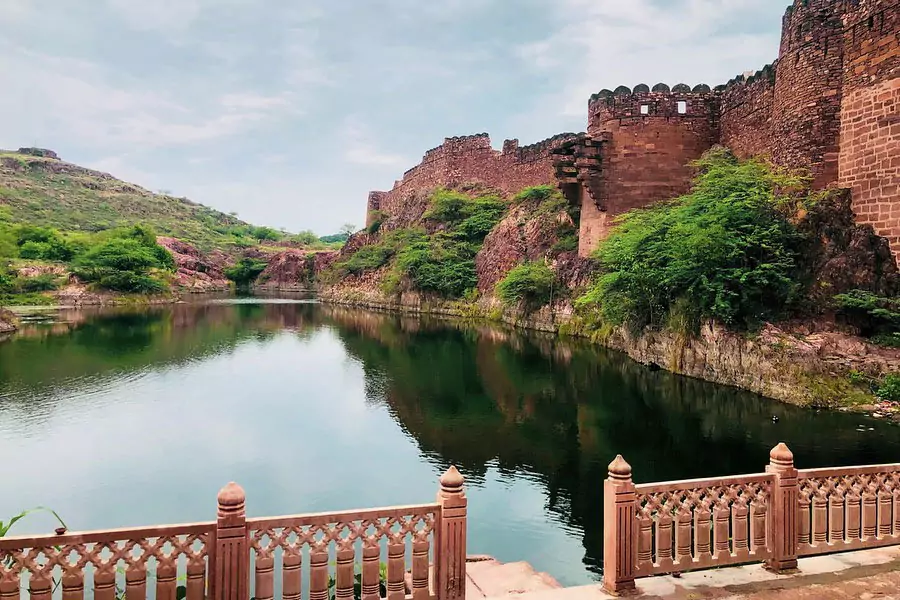
These two old water reservoirs below Mehrangarh are often overlooked. There is not much “to do” here, but that is the point – it’s calm, with lovely angles of the fort and the rocks.
Local tip: If you’re serious about photography and want a different angle of the fort, add this stop. Go when the light is softer for reflections and shadows.
If you look up from the fort or nearby viewpoints, you will often see eagles and other birds of prey circling high in the sky. It’s not a formal “show”, just part of daily life here.
Local tip: Bring a zoom lens if you’re a bird or wildlife photographer – the combination of stone walls, big birds and blue sky is very striking.
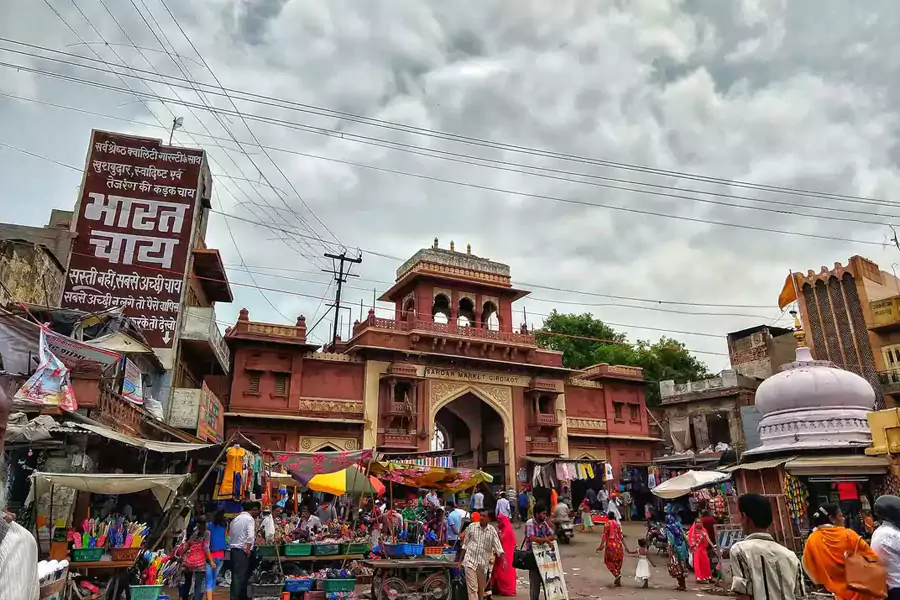
Beyond the main circle of Sardar Market, smaller bazaars such as Tripolia feel more local. You’ll find lac bangles, fabrics, everyday clothes and a mix of daily‑use items.
Local tip: Practice polite bargaining – start a bit lower than the first price, smile, and don’t feel forced to buy. You’re more likely to get a friendly chat and a fair deal that way.
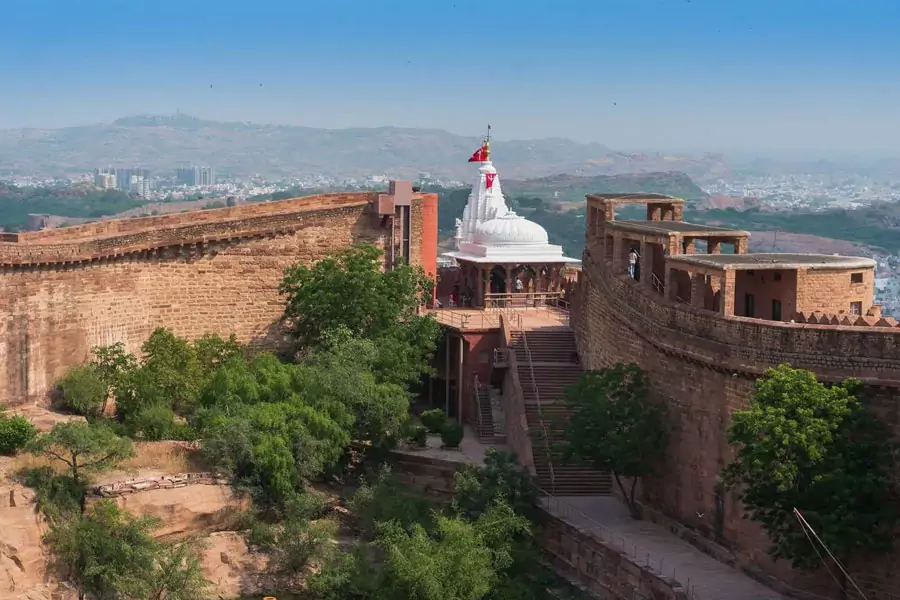
This small temple within the fort complex is important to local people, as Chamunda Mata is a family deity of the Rathore rulers. It also offers an excellent city view from a slightly different angle.
Local tip: Visit during your fort exploration and pause for a moment to watch how locals offer prayers; it adds a layer of living culture to the historic walls around you.
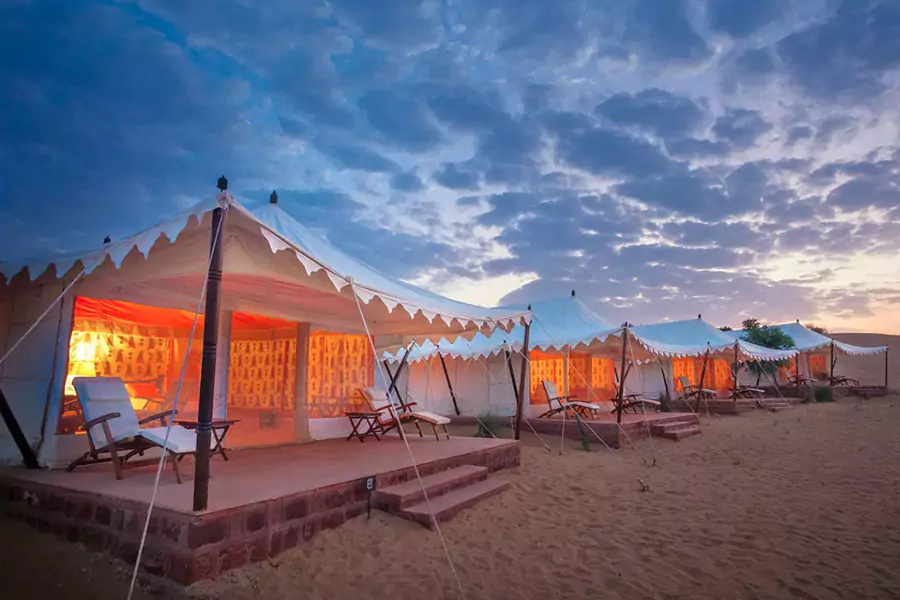
Osian is about 60–65 km from Jodhpur and is often called a “mini‑desert” gateway. You can do camel rides, simple dune walks and, if you stay overnight, enjoy a basic desert camp with dinner and folk music.
Local tip: If you’re also visiting Jaisalmer, keep Osian light (or skip it) and save the full desert experience for later. If Jaisalmer is not in your plan, Osian is a good introduction to the Thar.
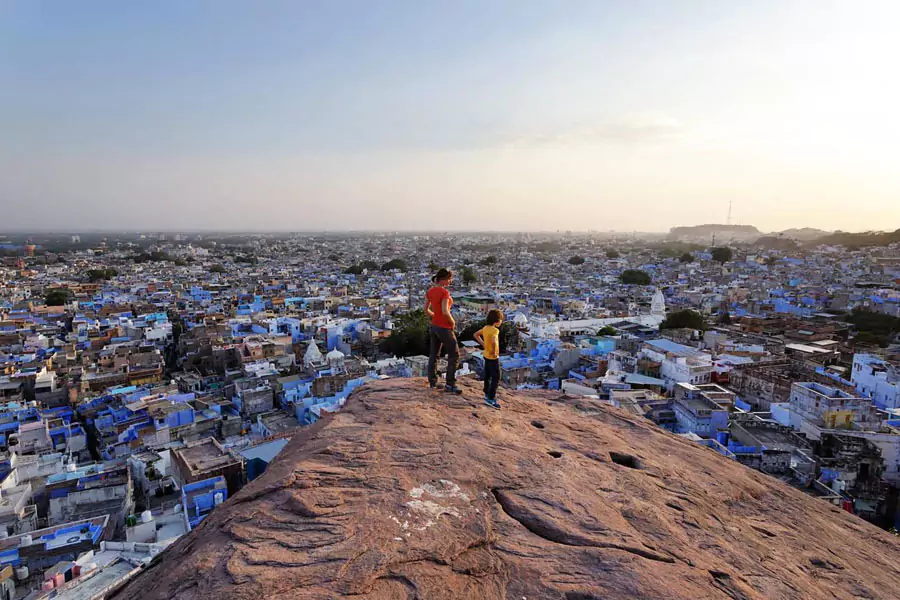
Apart from the main fort and stepwell views, Jodhpur has several smaller hilltop shrines that give excellent city panoramas, especially at sunrise or sunset.
Local tip: Ask your hotel or driver for one or two safe, popular spots that locals use for morning or evening walks. You’ll often get a fresh angle that isn’t in standard guidebooks.
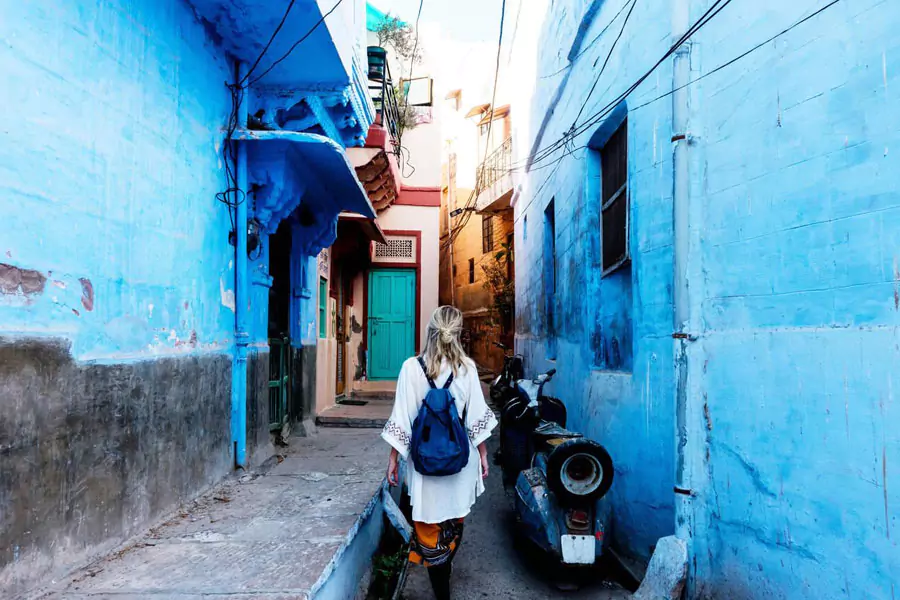
A guided morning walk is a good way to understand the rhythm of the city – milkmen, shop shutters opening, temple bells, chai stalls. A good guide will mix lanes, havelis, markets and small food stops.
Local tip: Tell the guide clearly what you like – more history, more food, more photos – so they can adjust the route for you instead of giving a generic loop.
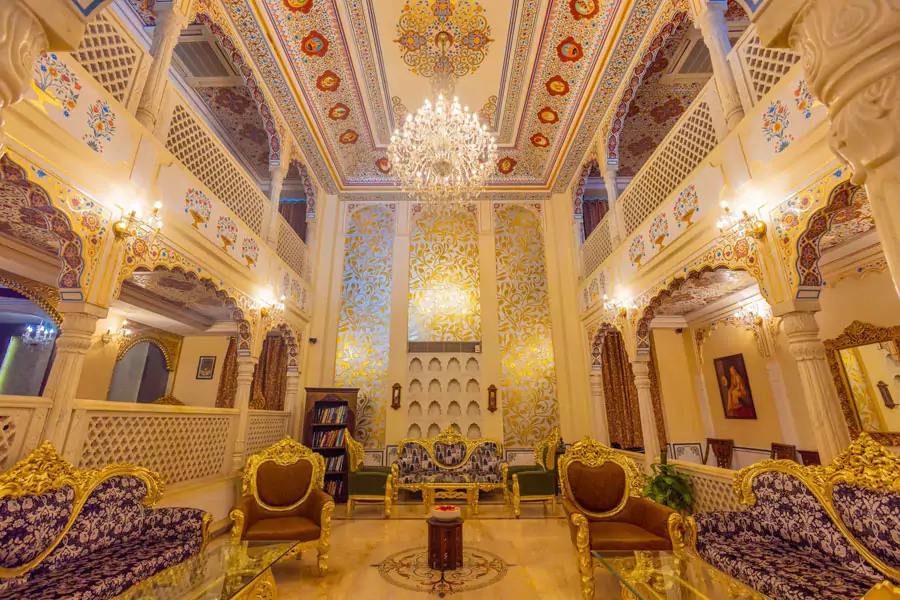
Instead of a standard hotel, consider staying in a restored haveli (old mansion) in or near the old city. Thick walls, courtyards and rooftop views make the experience feel very different.
Local tip: Check recent reviews and real guest photos carefully. Choose a haveli that balances charm with the level of comfort you need (stairs, noise, AC, hot water, etc.).
Jodhpur is not just “a blue backdrop for photos”. It’s a place where you can move between fort walls, chai stalls, quiet lakes and desert skies in a single day. With a bit of planning and the right expectations, it becomes one of the most memorable stops on a Rajasthan Tour.
Q1. How many days are enough to explore Jodhpur?
Two full days are enough to cover Jodhpur’s main attractions, including Mehrangarh Fort, Jaswant Thada, Umaid Bhawan Palace, the Blue City lanes, Toorji Ka Jhalra stepwell and Sardar Market. Plan three to four days if you want to add a Bishnoi village safari, Mandore Gardens, Kaylana Lake, a food walk or an overnight desert experience in Osian.
Q2. What is the best time to visit Jodhpur?
October to March is the best time to visit Jodhpur because the weather is more comfortable for fort visits, market walks, desert activities and rooftop dining. December and January can be cool in the morning and evening. April to June is very hot, while the monsoon months from July to September can bring some humidity and occasional rain.
Q3. What are the top things to do in Jodhpur for first-time visitors?
First-time visitors should explore Mehrangarh Fort, walk through the blue lanes of the old city, visit Jaswant Thada and Umaid Bhawan Palace, see Toorji Ka Jhalra stepwell, shop at Sardar Market near the Clock Tower and try local food such as makhaniya lassi, pyaaz kachori and mirchi vada.
Q4. Is Jodhpur safe for foreign tourists and solo travelers?
Jodhpur is generally considered a welcoming destination for foreign tourists, couples, families and solo travelers. Use standard precautions: keep valuables secure in crowded markets, use reputable transport, dress respectfully at religious sites and avoid poorly lit or isolated streets late at night. A private car and local driver can make transfers and day trips easier.
Q5. Is Mehrangarh Fort worth visiting?
Yes. Mehrangarh Fort is Jodhpur’s most important landmark and one of the most impressive forts in Rajasthan. It has palaces, galleries, museums, city views, cafés and the Chamunda Mata Temple. Plan at least two to three hours for a comfortable visit, or longer if you also want to try zip-lining or enjoy a meal with a fort view.
Q6. Can I visit Bishnoi villages from Jodhpur?
Yes. A Bishnoi village safari is one of the best half-day or full-day experiences from Jodhpur. It gives travelers the chance to see rural Rajasthan, local crafts, pottery, block printing, traditional homes, wildlife and the Bishnoi community’s nature-focused way of life.
Q7. Is an Osian desert camp worth adding to a Jodhpur trip?
Yes, especially if you want a desert experience but do not have time to travel all the way to Jaisalmer. Osian is around 65 km from Jodhpur and offers camel rides, jeep safaris, sand dunes, folk performances and overnight desert camps. It can be added as an overnight trip or a longer evening excursion.
Q8. Where should I stay in Jodhpur?
The old city near Clock Tower, Sardar Market and Toorji Ka Jhalra is ideal for travelers who want to walk to blue lanes, cafés, local markets and Mehrangarh Fort viewpoints. For a more peaceful or luxury stay, choose areas near Umaid Bhawan Palace, Ratanada or heritage hotels outside the busiest old-city lanes.
Q9. What food should I try in Jodhpur?
Try makhaniya lassi, pyaaz kachori, mirchi vada, Rajasthani thali, local sweets and traditional snacks from the old city. Food lovers can also visit spice shops, local breakfast stalls and rooftop restaurants with Mehrangarh Fort views. Choose busy, reputable places and prefer freshly cooked hot food.
Q10. Do I need a private car and driver in Jodhpur?
A private car and driver is useful for airport or station transfers, Umaid Bhawan Palace, Mandore Gardens, Kaylana Lake, Bishnoi village tours and Osian desert trips. Within the old city, many lanes are best explored on foot or by auto-rickshaw because they are narrow and busy. A private driver is especially convenient for day trips outside the city.
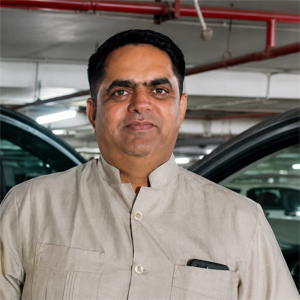
About the Author
Rajasthan Travel Specialist & Private Tour Planner
My name is Rishi, and I help international travelers plan comfortable, memorable and well-paced journeys across Rajasthan. I share practical local advice for exploring Jodhpur’s forts, blue lanes, markets, heritage hotels, food spots and desert experiences without feeling rushed.